First home buyer guide for Australia
A full-path guide for Australian first home buyers: savings, borrowing power, schemes, stamp duty, the contract, and the settlement day that still feels like a film set.
By Claire Nguyen, Housing editor · 15 January 2026 · Updated 20 October 2026 · 5 min read
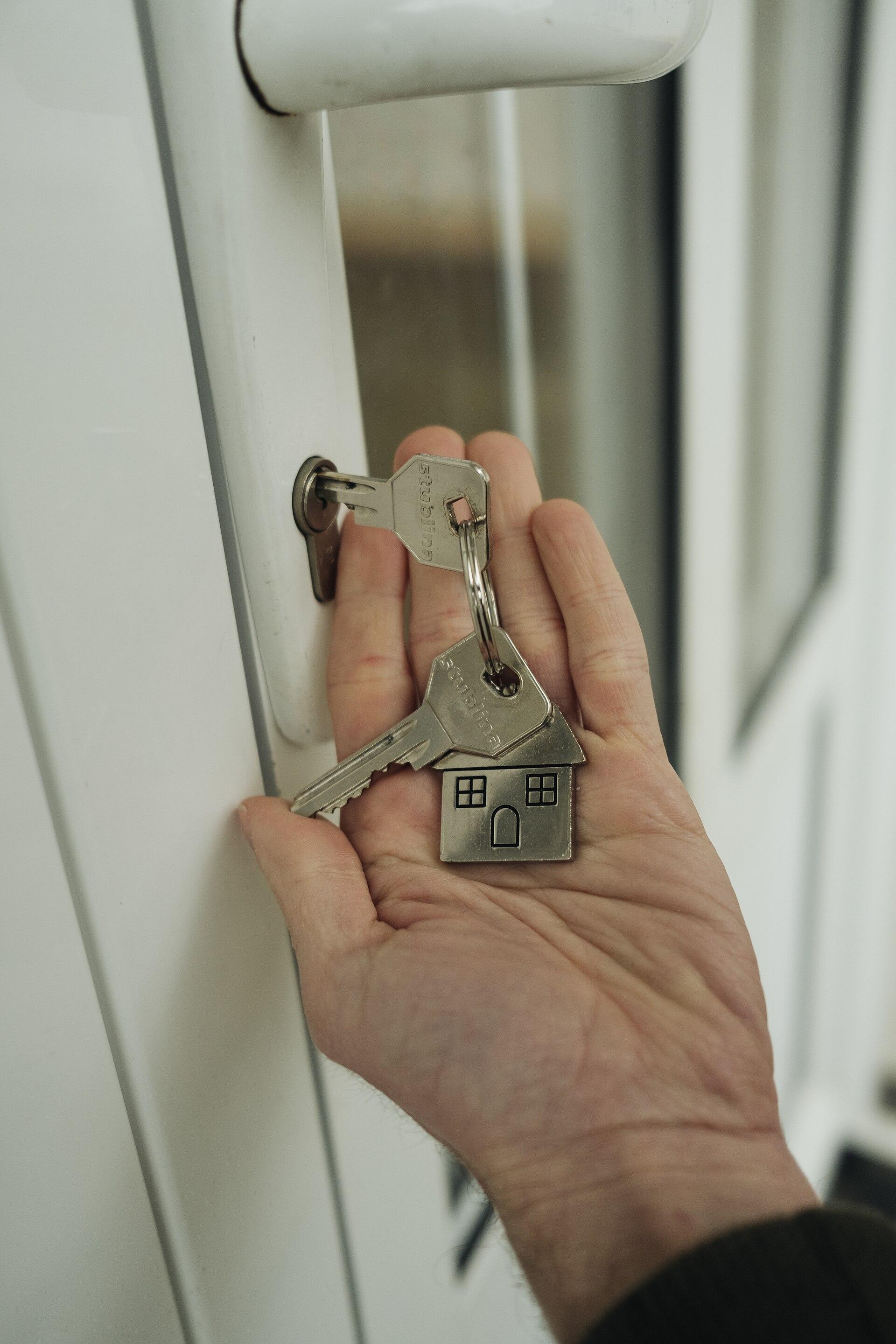
Photo: Shixart1985, Wikimedia Commons, licensed CC BY 2.0. See all image credits.

First home buying in Australia is a sequence of offices: the bank, the broker, the state revenue office, the conveyancer, the inspector, the insurer, and a valuer you will never meet. None of them will hold your hand through the whole map. This guide is the map. It is written for people who are tired of being told to 'get on the ladder' as if the ladder were a personality test.
You will not find a lender ranking here. You will find the order of operations that stops you from paying for a building inspection on a property you cannot be approved for, or from treating a scheme as a substitute for savings.
1. Know the all-in number, not the listing price
A $620,000 unit is not a $620,000 project. Add stamp duty (or confirm a genuine concession), conveyancing, building and pest (or strata report), lender establishment and valuation, adjustments at settlement, moving, and a cash buffer. First home buyers who spend every remaining dollar on a slightly nicer suburb arrive at settlement one broken fridge away from a credit card.
Write a one-page budget. Include rent until settlement. Include the possibility that the valuation comes in low.
2. Measure borrowing power before you fall in love with a kitchen
Use a lender or broker to get a credit-policy number, not a website toy. Borrowing power includes the serviceability buffer, HECS-HELP, existing card limits and living expenses that look like your bank statements rather than the Henderson poverty line. If the calculator says $750,000 and the credit team says $610,000, the credit team is the market.
Pre-approval is a conditional letter, not a contract. It expires. It assumes a property type. A rural shed on 20 hectares is not the inner-suburban unit the pre-approval imagined.
3. Deposit, LMI or guarantee
Read how much deposit you need and the 5 per cent deposit scheme as a pair. Five per cent plus a guarantee is not the same as 20 per cent. It is a way to avoid LMI while remaining highly leveraged. Sleep and rate pricing both care about that.
Genuine savings — money that has sat in your account for a few months, not a same-day family transfer without a gift letter — still matter to many lenders. Gifts are possible; they need paperwork and they cannot look like a loan from Mum that she expects back.
4. Schemes and grants are a patchwork
The Commonwealth runs guarantee products through Housing Australia. States run grants and duty concessions with their own caps, occupancy rules and new-versus-established distinctions. Our grants by state and stamp duty pieces are the desk's working notes. Always click through to the state revenue office before you bid. A concession that ended on 30 June will not be resurrected by a kind conveyancer.
Occupancy rules are enforced. If you buy as a first home buyer and never move in, you can owe duty and grants back.
5. Choose the loan structure like an adult
Compare home loans on comparison rate, LVR band, offset and fees. First home buyers often overbuy features. If you will have $4,000 in the bank after settlement, a packaged offset is a fee for a story. A basic variable with free extra repayments may fit better until you have a buffer.
Fixed versus variable is a cashflow choice. New buyers with tight budgets sometimes fix two years so the repayment cannot jump while they learn the suburb's true costs (tolls, commuting, strata levies).
6. The property file
Building and pest inspections are not optional on established homes just because the kitchen photographs well. Strata reports on apartments hide sinking funds and special levies. Flood, bushfire and insurance availability are credit issues as well as lifestyle issues; some lenders will not take uninsurable properties.
Auction versus private treaty changes your cooling-off rights. In several states, auction means no cooling off. Do not bid without finance that can complete.
7. From contract to settlement
Formal approval, valuation, mortgage documents, insurance from settlement (not from when you 'feel like you own it'), booking a removalist who can slip a week. Settlement day is mostly other people's computers. You will sign, wait, and then get a call that you can collect keys. Take photos of empty rooms for your own records.
If approval is delayed, communicate early with the vendor's solicitor. Panicked silence costs more than an awkward email.
8. After you move in
Set the repayment to fortnightly if that matches your pay cycle. Point salary at the loan or offset. Recheck insurance sums. Do not redraw the thin buffer to furnish the place like a display home. The first year of owner-occupation is an experiment in cashflow; treat it that way.
For policy, MoneySmart's first-home-buyer material is the public baseline. For pitches and corrections, the contact form reaches the desk. Buying first is allowed to be slow. Slow is cheaper than a contract you cannot settle.
Parents, 'Bank of Mum and Dad', and title
A gifted deposit with a letter is one thing. A parent on title is another. A parent guaranteeing with their own home as security is a third. Each has a different death, divorce, and aged-care consequence. Do not sign a family guarantee because the LMI looked large. Sit with a solicitor who does not also sell you a property.
Insurance on day one
Building insurance must commence at settlement, not when you 'feel moved in'. For strata, the building is usually insured by the owners corporation; you still need contents and liability. For stand-alone houses, lenders want to be noted as interested. Underinsurance is how a fire becomes a second mortgage.
The first twelve repayments
Set them up before you care about furniture. Fortnightly if that matches pay. Extra $50 if you can. Offset if you have one. Do not redraw to match a neighbour's sofa. The first year is when strata levies and water bills teach you whether the borrowing-power calculator was a comedian.
People also ask
- How much do I need to buy my first home in Australia?
- Budget for a deposit (often 5 to 20 per cent), stamp duty or its concession, legal fees, inspections, lender fees and several months of cash buffer. The purchase price is not the all-in cost.
- Can I buy a house with a 5 per cent deposit?
- Yes, if a lender will accept the LVR and you either pay LMI or use an eligible government guarantee. You still need genuine savings, serviceability and funds for costs that are not the deposit.
- How long does a first home loan take to approve?
- Pre-approval can take a few days to a couple of weeks. Formal approval after a contract often takes one to three weeks if the file is clean, longer if valuations, genuine savings or gift letters are messy. Build a settlement period that can survive delays.
Related guides
- How much deposit do you need for a home loan in Australia?
The honest answer is: enough to satisfy the lender's LVR, plus costs, plus a buffer. Twenty per cent is a pricing threshold, not a moral one. Five per cent is possible with the right scheme and a strong stomach.
- The 5 per cent deposit scheme and First Home Guarantee, explained
Housing Australia's guarantee products let eligible buyers purchase with as little as 5 per cent deposit without paying LMI. They are not a gift, not automatic, and not a reason to stretch to the last dollar of borrowing power.
- Stamp duty concessions for first home buyers, by state
Transfer duty is still one of the largest cheques a first home buyer writes. Concessions and exemptions differ by state and territory, by price, and by whether the home is new. This is the working map, not a substitute for the revenue office.
- First home buyer grants in Australia, state by state
The First Home Owner Grant is a state payment, usually aimed at new homes, and it is not the same thing as a stamp duty concession or a Commonwealth guarantee. Here is how the pieces fit.
More in First home buyers · All articles