First home buyer grants in Australia, state by state
The First Home Owner Grant is a state payment, usually aimed at new homes, and it is not the same thing as a stamp duty concession or a Commonwealth guarantee. Here is how the pieces fit.
By Priya Raman, Policy correspondent · 20 May 2026 · Updated 5 October 2026 · 5 min read
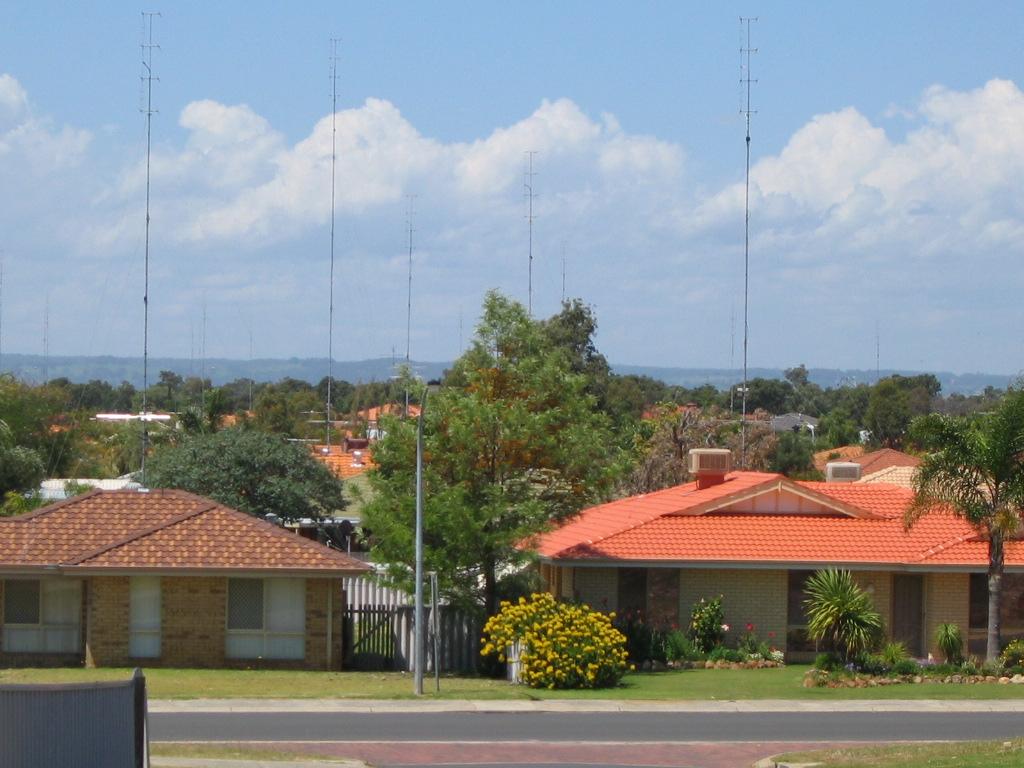
Photo: Orderinchaos, Wikimedia Commons, licensed CC BY-SA 3.0. See all image credits.

The First Home Owner Grant (FHOG) is a survivor of the 2000s GST compensation politics, still alive in state budgets, still mostly pointed at new homes, still confused with stamp duty relief in every family WhatsApp. It is a grant: money. Duty is a tax you might not pay. The 5 per cent deposit scheme is a guarantee, which is not money. You can stack some of these. You cannot stack them in your head without a spreadsheet.
Amounts and caps below describe the shape of each scheme as Australians have known them into 2026. Confirm the current figure on the state revenue site before you tell a builder you 'get twenty grand'.
What almost every grant has in common
- You (and any partner) have not owned a dwelling in Australia before, with limited exceptions.
- You will occupy as a principal place of residence within a period (often 12 months) for a minimum duration.
- The home is usually new: never occupied, or substantially renovated, or a new house-and-land package. Established homes are often ineligible.
- There is a purchase-price or value cap.
- Applications go through the state or territory revenue office, often via the lender or conveyancer.
Fraud — fake occupancy, renting it out immediately, using a sibling as a dummy buyer — is how people get invoices years later.
New South Wales
NSW has paid a grant on new homes under a cap, with the amount sitting in the $10,000 region in recent years (it has been higher in previous stimulus eras). Established homes: generally no grant, but duty settings can still be generous. Do not skip the NSW duty calculator because the grant is small.
Victoria
Victoria's FHOG has been a new-home payment with a cap, and regional Victoria has at times received a higher amount. Melbourne established homes: grant usually unavailable. Victoria also runs other boosts that come and go with governments. Read the State Revenue Office, not a property Facebook group.
Queensland
Queensland's grant on new homes has been a fixture, with a value cap. Regional boosts appear in some budget cycles. House-and-land packages need care: the contract structure must meet 'new home' definitions. Owner-builders have extra forms.
Western Australia
WA's grant has distinguished between below and above the 26th parallel, with different amounts. Caps apply. Established homes generally miss out. WA first home buyers often get more excitement from duty concessions than from the grant itself — run both numbers.
South Australia, Tasmania, NT, ACT
SA has used grants alongside aggressive new-home duty settings; sometimes the duty win dwarfs the grant. Tasmania has offered grants on new homes and, in some periods, awkward interactions where taking the grant reduces duty discounts — read the either/or. The NT has used homeowner grants with its own remote and regional flavour. The ACT's grant exists in a duty-reform ecosystem; the dollar figure may be less important than rates settings.
Timing and the lender
Lenders want to know if the grant is part of your funds to complete. If it is paid at settlement through the revenue office, it can close a gap. If it is paid weeks later into your account, it is a nice reimbursement but not a deposit. Put the answer in the application. Silence becomes a shortfall at settlement.
For construction, grant timing can follow slab or completion. Builders who 'need the grant for the deposit' are asking you to pre-spend money that is not theirs yet.
Stacking with other help
A typical eligible new-home purchase might combine: FHOG + first home duty concession + Housing Australia guarantee + a first home super saver withdrawal. Each has a form. Each has an occupancy rule. Each can be clawed back. The more you stack, the more you must actually live in the place and keep records.
Worked sketch
New house-and-land in a QLD regional centre, $520,000 all-in, eligible for a $15,000 grant (illustrative) and a duty concession. The grant does not reduce the contract price; it contributes to costs. If the lender allows it as funds to complete, your savings requirement drops by $15,000. If not, you still need the cash and get $15,000 later. Ask which world you are in.
Grants are worth applying for and not worth designing a life around. A slightly cheaper established house with a duty concession and no grant can beat a new estate 40 kilometres out whose only charm is a $10,000 cheque. Run the suburb you want to live in first; apply the grant second.
New home, substantially renovated, and 'never occupied'
A display home that was used as an office can fail 'never occupied'. A knock-down rebuild is usually new. A cosmetic reno on a 1940s house is not. The grant's definition is statutory, not vibes. If the marketing says 'brand new' and people have been living in it, you are in established-home territory — duty concession maybe, grant probably not.
Clawbacks
Move out too soon, rent it on a platform, or fail to occupy, and the revenue office can ask for the grant back. They do this. Keep evidence of occupancy: removalist invoices, utility connections, electoral roll if you like. It is unromantic and it works.
Builders who 'apply for you'
Some volume builders include the grant in the sales pitch as if it were their money. You still sign the revenue application. You still have to be eligible. If the builder's timeline misses a grant sunset, that is your problem unless the contract says otherwise. Read the special conditions.
How to read a revenue-office page without crying
Find the current amount, the cap, whether the home must be new, the occupancy period, and the application form. Ignore 'up to' marketing from builders. If two schemes conflict (grant versus duty discount), the page will say so in a footnote that matters.
Print the page with the date. Policies move. A screenshot from a 2024 Facebook group is not a ruling. If you are invited to 'just say it is new', that is a clawback waiting to happen.
People also ask
- Is there a national first home buyer grant?
- No. The First Home Owner Grant is administered by states and territories, with different amounts and caps. The Commonwealth's main first-home tools are guarantees and related Housing Australia products, not a cash grant paid at settlement.
- Can I take the grant on an established home?
- Often no. Many states restrict the grant to new homes or substantially renovated homes. Established dwellings may still get duty concessions without a grant.
- Does the grant count toward my deposit?
- Sometimes lenders will treat an approved grant as part of funds to complete, but it may arrive after settlement. Do not bid as if cash-in-hand equals the grant until the lender and revenue office agree on timing.
Related guides
- Stamp duty concessions for first home buyers, by state
Transfer duty is still one of the largest cheques a first home buyer writes. Concessions and exemptions differ by state and territory, by price, and by whether the home is new. This is the working map, not a substitute for the revenue office.
- First home buyer guide for Australia
A full-path guide for Australian first home buyers: savings, borrowing power, schemes, stamp duty, the contract, and the settlement day that still feels like a film set.
- The 5 per cent deposit scheme and First Home Guarantee, explained
Housing Australia's guarantee products let eligible buyers purchase with as little as 5 per cent deposit without paying LMI. They are not a gift, not automatic, and not a reason to stretch to the last dollar of borrowing power.
- Construction home loans in Australia
A construction loan pays a builder in stages, charges interest on what has been drawn, and turns into an ordinary mortgage when the house reaches practical completion. The risk sits in cost overruns, variations and vacant land in between.
More in First home buyers · All articles