How much deposit do you need for a home loan in Australia?
The honest answer is: enough to satisfy the lender's LVR, plus costs, plus a buffer. Twenty per cent is a pricing threshold, not a moral one. Five per cent is possible with the right scheme and a strong stomach.
By Claire Nguyen, Housing editor · 18 April 2026 · Updated 30 September 2026 · 5 min read
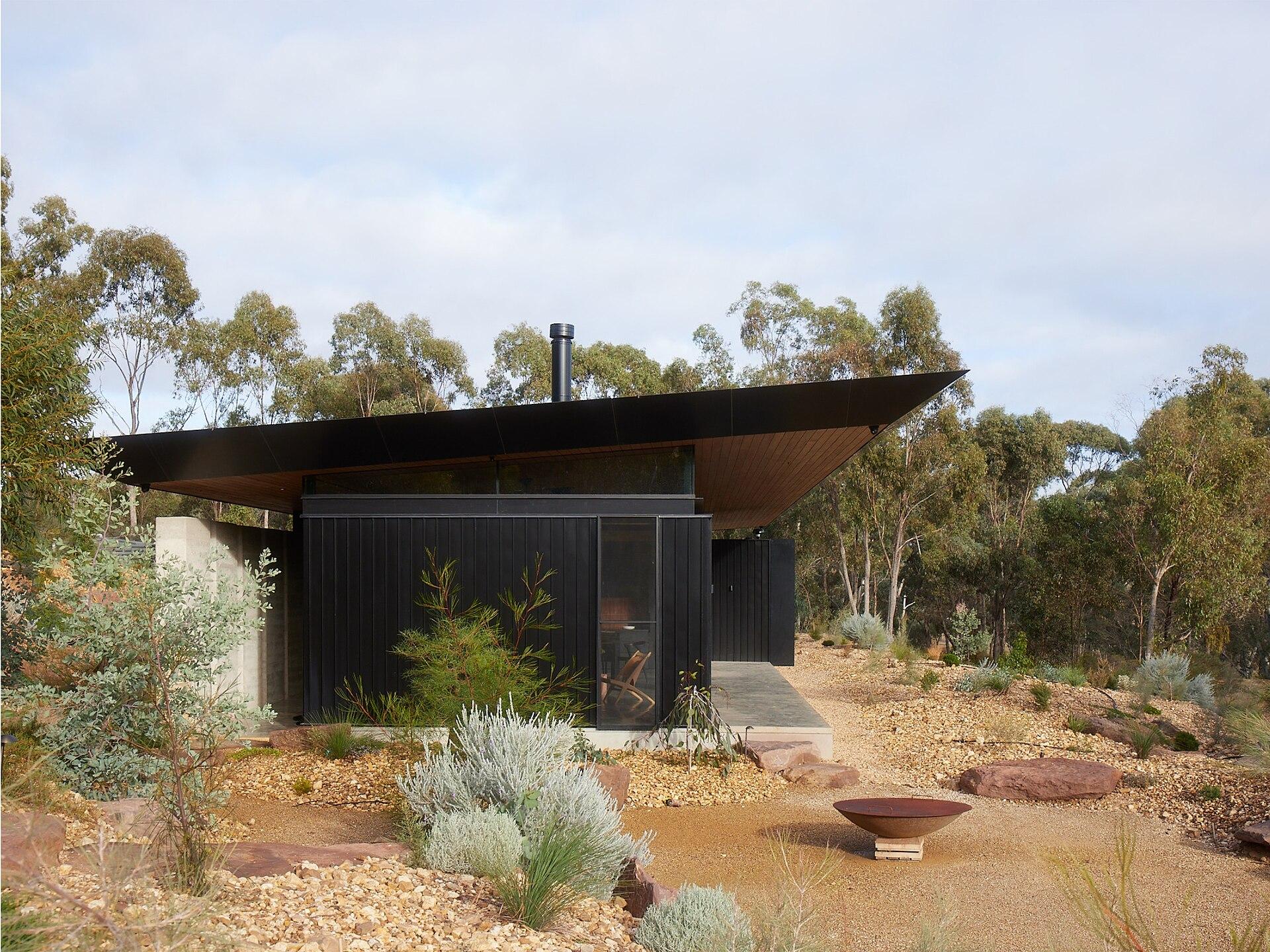
Photo: Pancakedrawer, Wikimedia Commons, licensed CC BY-SA 4.0. See all image credits.

'How much deposit do I need?' is the most searched first-home question in the country, and it is two questions taped together. How much cash will a lender accept as the difference between price and loan? And how much cash will you need to complete, insure, and still eat in month two?
Twenty per cent is the folklore because it is the usual LMI-free line and often the best rate band. It is not a legal minimum. Australians buy every week at 10 and 5 per cent. They pay for the privilege in premium, rate, and risk.
The lender's number: LVR
Deposit for LVR purposes is purchase price minus loan, subject to valuation. Costs paid to other people are not deposit. If you have $80,000 and the property is $700,000, you do not have an 11 per cent deposit if $28,000 is already earmarked for duty and legal fees. You have about a 7 per cent deposit and a problem.
Work backwards:
- Price you are targeting.
- Lender's maximum LVR for that occupancy and dwelling.
- LMI or guarantee if above the LMI-free LVR.
- Costs.
- Buffer (this desk likes at least three months of repayments plus an excess for defects).
The leftover is the deposit you can show.
5, 10, 15, 20: what actually changes
5 per cent: Possible with participating lenders and usually either expensive LMI or a Housing Australia guarantee. Serviceability on 95 per cent is a large repayment. Insurance, maintenance and a rate rise all hit a thin equity sliver.
10 per cent: Common. LMI is still likely unless a waiver or guarantee applies. Rate may be a step worse than 80 per cent LVR.
15 per cent: Sometimes a nicer LMI premium and a better band. The unglamorous extra 5 per cent can be worth more than another six months of searching for a 0.05 per cent rate cut.
20 per cent and below 80 per cent LVR: Usually no LMI, better pricing, more lender choice, more resilience if the valuer is grumpy.
Below 80 per cent (25 or 30 per cent deposits) you are buying flexibility: investment options, weaker strata reports, a career change. That is a luxury some households have. It is not a requirement.
Genuine savings
Many credit policies want to see money seasoned in your accounts for three months or so. A $50,000 transfer from a parent yesterday looks like a gift (usable with paperwork) or an undeclared loan (not usable). Bonus income that hits and immediately becomes the deposit can be fine if the statements tell a story. Cryptocurrency cashed out last Tuesday will attract more questions than a term deposit.
First home super saver scheme withdrawals are a legitimate source; they have their own ATO process and timing. Do not assume they arrive the week of auction.
Non-cash 'deposits' that are not deposits
Sweat equity, promised inheritances, the 'equity' in a car, and a personal loan for the deposit. The last of these is how you start home ownership already failing serviceability and possibly breaching genuine savings rules. If you must borrow part of the costs, say so. Hiding a personal loan is how files die, or worse, how responsible-lending problems are born.
Worked budget
Target price $650,000. Ten per cent deposit = $65,000. Duty (after concession) $8,000. Legal and inspections $3,000. Lender fees $800. Insurance first year $1,800. Buffer $6,000. Cash required ≈ $84,600, of which $65,000 is deposit. The household saving '$65k for a 10 per cent deposit' is $20,000 short.
Waiting versus buying
Renting for another year to save 20 per cent is a real strategy in a flat market and a painful one in a rising market. Do not use a 7 per cent assumed capital growth to justify buying tomorrow; that is a seminar slide. Do use a written rent versus buy cashflow that includes maintenance. The first home buyer guide puts this in sequence.
A deposit is not a personality. It is a number that has to survive contact with a valuer and a revenue office. Count it twice.
Super, FHSS, and timing
The First Home Super Saver Scheme lets you withdraw voluntary contributions (within caps) plus associated earnings, taxed at a concessional rate. It is a legitimate deposit booster with ATO timing. You apply, the ATO issues a determination, the money arrives. It does not arrive on auction day because you asked nicely. Start months ahead. Do not count FHSS as cleared funds until the determination exists.
Shares, crypto, and 'I'll just sell'
Lenders want seasoned savings. A brokerage sell-down the week of application can look like a gift or like income they cannot shade. If your deposit is in a share portfolio, sell earlier than you think and let it sit as cash. Crypto is still a credit-policy headache at many desks; assume extra questions.
Regional versus capital buffers
A 5 per cent deposit on a $380,000 regional house is a different psychological and market-risk object than 5 per cent on an $1.1 million Sydney unit. The scheme may treat them similarly. Your maintenance, vacancy (if you ever let it), and sale costs will not. Match the deposit to the asset's liquidity, not only to the lender's minimum.
A deposit calendar, not a deposit mood
Pick a settlement window six to twelve months out. Divide the cash gap by the number of pays. If the number is absurd, the target price is absurd at this income, or the timeline is. Side hustles that do not show on tax returns may not help serviceability even if they help the savings account — another reason the borrowing-power conversation belongs beside the deposit conversation.
If family will help, have the conversation early enough for the money to season, and for a solicitor to say whether a gift letter is enough. Last-week panics produce ugly structures.
What this desk tells nieces and nephews
Save a number that survives duty, legal, inspections and a buffer, then stop treating 20 per cent as a personality. If a guarantee gets you in at 5 per cent on a modest property you can hold, that can be adult. If 5 per cent is how you stretch into a suburb whose rates, tolls and strata will eat you, wait. The deposit is not the boss of the story; the all-in cash and the repayment at a buffered rate are.
Put the target in a separate account named after the suburb, not after a feeling. Feelings spend. Suburbs, unfortunately, still require cleared funds.
People also ask
- Is 20 per cent deposit still required in Australia?
- No. Many lenders accept 10 or 5 per cent with LMI or a government guarantee. Twenty per cent still unlocks better pricing and usually avoids LMI.
- Can my deposit be a gift?
- Often yes, with a signed gift letter stating no repayment is expected. Some lenders still want a portion as genuine savings accumulated in your accounts.
- Does the deposit include stamp duty?
- No. Duty, legal fees and inspections are extra. A 10 per cent deposit plus 4 per cent costs means you need about 14 per cent of the price in cash, not 10.
Related guides
- LVR and lenders mortgage insurance in Australia
Loan-to-value ratio decides your rate band and whether lenders mortgage insurance applies. LMI protects the lender, not you, and it is often capitalised into the loan so you pay interest on the premium for years.
- The 5 per cent deposit scheme and First Home Guarantee, explained
Housing Australia's guarantee products let eligible buyers purchase with as little as 5 per cent deposit without paying LMI. They are not a gift, not automatic, and not a reason to stretch to the last dollar of borrowing power.
- First home buyer guide for Australia
A full-path guide for Australian first home buyers: savings, borrowing power, schemes, stamp duty, the contract, and the settlement day that still feels like a film set.
- How lenders calculate borrowing power in Australia
Borrowing power is a credit-policy output: assessable income, haircut, expenses, existing commitments, HEM versus your statements, and a serviceability buffer on the proposed rate. The homepage calculator is theatre.
More in First home buyers · All articles