Consolidating debts into a home loan in Australia
Rolling credit cards and car loans into the mortgage can cut the monthly figure and raise the lifetime cost. It also puts the house behind debts that used to be unsecured. Proceed with a pencil, not a slogan.
By James Whitfield, Consumer credit editor · 16 June 2026 · Updated 1 October 2026 · 5 min read
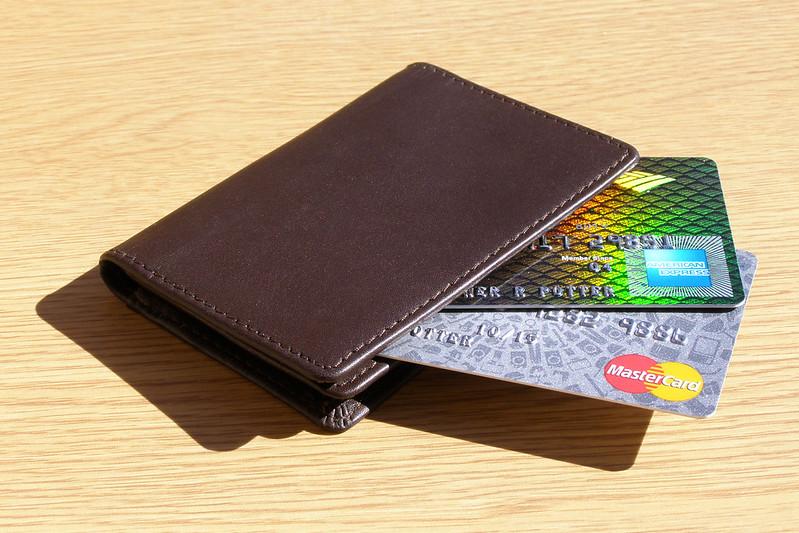
Photo: Chris Potter, Wikimedia Commons, licensed CC BY 2.0. See all image credits.

Debt consolidation into a home loan is sold as tidiness. One repayment. A lower rate. A grown-up chart. ASIC's MoneySmart is blunter: if you secure unsecured debts against the house, the house is in play, and if you stretch a two-year card balance over 25 years, you may pay more interest while feeling richer each month.
This desk will not tell you never to do it. We will tell you to calculate the lifetime cost, to close the old facilities, and to treat any cash-out as a refinance with a purpose, not an ATM.
What the transaction actually is
You apply to increase (or replace) the home loan by enough to pay out nominated debts. At settlement those debts are cleared. Your mortgage is larger. Your LVR is higher. If you were at 78 per cent and the cash-out pushes you to 82 per cent, you may have bought LMI as a side dish.
The new repayment may be lower than the sum of the old ones because 25 years is a long time to pay off a $12,000 wedding. Lower is not cheaper.
Do the two calculations
A. Keep the debts. Cards at 19.99 per cent, car at 8 per cent, personal loan at 12 per cent. Use MoneySmart calculators. Note months remaining.
B. Add the balances to the mortgage at the mortgage rate over the remaining mortgage term, then again over a term no longer than the longest unsecured term you just killed.
If B over the short term is cheaper and you will actually make the extra repayments, consolidation can be a tool. If you only look at B over 30 years, of course the monthly figure shrank. You lengthened the sentence.
Close the old accounts
Lenders consolidating cards often want them closed at settlement. Insist. If the card stays open with a $20,000 limit, serviceability still sees a $20,000 appetite, and you will fill it by November. Consolidation without closure is a story you tell yourself.
The house is now collateral for the fridge
Unsecured debts are miserable, but default usually does not end in a mortgagee sale. Once they sit inside the home loan, missed repayments are missed mortgage repayments. That is a different recovery pathway. If the reason you have $38,000 of mixed debt is unstable income, putting it on the title is not a personality upgrade.
When it can make sense
- You have a documented plan to keep extra repayments at the old unsecured total, so the extra principal dies in three years, not 25.
- The cards will be closed.
- LVR stays in a sane band.
- You were already refinancing for a better rate, and folding a small personal loan avoids a second monthly payment.
- You understand break fees on any fixed mortgage or car contract you exit.
When it does not
- To fund a renovation you have not quoted.
- To 'clear' buy-now-pay-later while leaving the apps on your phone.
- Because a seminar called it wealth creation.
- To pass a borrowing-power test for a second property while the underlying spending is unchanged.
Alternatives
A personal loan for consolidation keeps the house out of it and has a finish date. Hardship arrangements, credit-card balance transfers (read the revert rate), and actually spending less remain unfashionable because they work.
Worked sketch
$18,000 cards at 20 per cent, minimums $450 a month, decades if you pay minimums, about four years if you pay $500 and stop using the card. Folded into a 6.2 per cent mortgage over 24 remaining years, the extra repayment might be $120 a month. Feels easier. If you only pay $120 extra, the $18,000 could cost more interest than a four-year personal loan at 11 per cent. If you pay $500 extra on the mortgage, you probably win — if the cards are shut.
Tidiness is not a yield. If you still want consolidation, put the extra repayment in as a direct debit the day you settle, then go and close the accounts in person if you have to.
Redraw as accidental consolidation
Using redraw to pay a card is consolidation without the conversation. The house is already on the line; you just increased the mortgage to kill a card you then reopened. If you do it, close the card the same week and set an extra repayment equal to the old card minimum plus a bit.
BNPL and the 'small' debts
Five BNPL balances of $400 feel like nothing and assess like a habit. Either pay them from cash or include them in the consolidation list and delete the apps. Partial consolidation is how the small debts return.
Aftercare
A calendar reminder at 90 days: are the old accounts closed, and is the extra mortgage repayment still live? If both answers are yes, the exercise may have worked. If either is no, you have a larger house-backed debt and the same lifestyle.
A written rule for the extra repayment
If you consolidate, the extra repayment must be a direct debit, named, and sized to finish the personal portion in a chosen window (for example, four years). If that debit would bounce, you cannot afford the consolidation you wanted; you were buying a lower monthly figure. Revisit a personal-loan consolidation instead.
Put the rule in the same place you keep insurance. Future-you will try to pause it for a holiday. Future-you is why the house ended up backing a holiday.
If you are already in trouble
Consolidation is not a hardship program. If you cannot meet current minimums, a larger mortgage may be a faster way to lose the house. Call the National Debt Helpline, talk to your lenders' hardship teams, and be suspicious of anyone who wants to originate a big cash-out this week.
This journal would rather you be bored and housed than tidied and exposed.
Documents to bring, and a last caution
When you sit down with a lender, broker, packager or yard manager, bring every card statement, the personal-loan contracts, BNPL screenshots, and a list of which accounts you will close. If they will not look at paper, they are selling speed. Speed is expensive in Australian credit.
Write down the thing you are afraid to ask — the fee, the balloon, the HELP treatment, the break cost — and ask it first, while you still have the nerve. The second conversation is always weaker. If the answer is vague, you do not have an answer.
This desk would rather you delay a week than sign a contract whose comparison rate you cannot explain to a friend. ASIC's MoneySmart remains the public-interest spare brain: use it the night before, not the morning after. And if the product only works on overtime that is not in your contract, it does not work. Buy a smaller thing, or wait. Waiting is still allowed.
People also ask
- Is it a good idea to consolidate credit cards into a home loan?
- Only if the total interest and fees fall, you close the old limits so they cannot refill, and you understand the debt is now secured against your home. A lower monthly repayment over 25 extra years can cost more, not less.
- Will consolidating improve my borrowing power?
- Replacing high-limit cards with a slightly larger mortgage can help serviceability because lenders assess card limits harshly. It can also push LVR into a worse band. It is a trade, not a magic trick.
- Can I consolidate a car loan into the mortgage?
- Often yes as a cash-out refinance. You may break car-loan fees, and you will probably repay a three-year car over 25 years unless you keep the extra repayment. The car will be long gone before the debt.
Related guides
- When to refinance your home loan in Australia
Refinance when the saving survives fees, a new serviceability test and a reset clock — not because a billboard offered cashback. Timing is a spreadsheet, a credit-file decision and a life decision.
- Personal loan vs credit card in Australia
A personal loan is a lump sum with an end date. A credit card is a revolving limit that can follow you for years. The cheaper option is the one whose structure matches the expense — and that you will actually retire.
- Using a personal loan to consolidate debts
A consolidation personal loan can cut interest and set a finish date — if the rate is genuinely lower, the term is not absurd, and the old credit is closed. Otherwise it is a new layer on the same habit.
- How lenders calculate borrowing power in Australia
Borrowing power is a credit-policy output: assessable income, haircut, expenses, existing commitments, HEM versus your statements, and a serviceability buffer on the proposed rate. The homepage calculator is theatre.
More in Refinancing · All articles